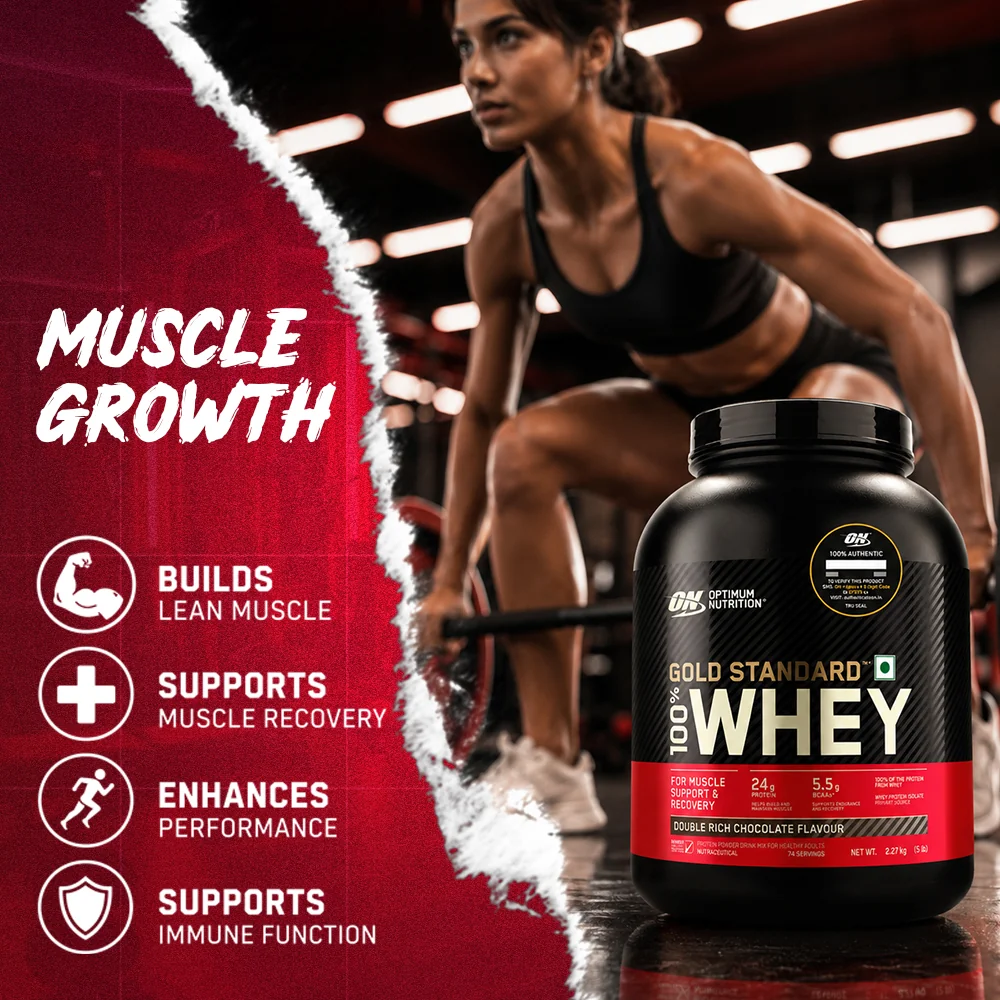
Protein Powder Is Necessary for a Gym Goer |
Why Protein Powder Is Essential for a Gym Goer in 2026
Lorem ipsum dolor sit amet, consectetur adipiscing elit. Ut elit tellus, luctus nec ullamcorper mattis, pulvinar dapibus leo.
If you’re serious about building muscle, improving strength, or enhancing your overall fitness, protein powder for gym goers has become one of the most popular and effective nutritional supplements available. While many people believe protein powder is only for professional bodybuilders, the reality is that anyone who exercises regularly can benefit from meeting their daily protein requirements.
Exercise creates tiny tears in muscle fibers. During recovery, your body repairs these fibers, making them stronger and larger than before. Protein provides the amino acids needed for this repair process. If your daily protein intake is insufficient, your progress in the gym may slow down despite consistent workouts
Why Protein Is Important for Gym Goers
Protein is one of the three essential macronutrients, alongside carbohydrates and fats. It plays a vital role in:
- Building lean muscle mass
- Repairing damaged muscle tissue
- Supporting faster recovery after workouts
- Maintaining healthy bones and joints
- Improving overall body composition
- Helping preserve muscle during weight loss
Most active adults require significantly more protein than sedentary individuals. Depending on your training intensity, experts generally recommend around 1.2–2.2 grams of protein per kilogram of body weight each day.
Why Protein Powder Is Necessary
Although whole foods such as chicken, fish, eggs, dairy products, beans, lentils, and tofu are excellent protein sources, consistently reaching your daily protein target through food alone can be difficult. This is where protein powder for gym goers becomes especially useful.
1. Convenient and Time-Saving
Busy schedules often make it difficult to prepare multiple high-protein meals every day. A protein shake takes only a few minutes to prepare and can be consumed after a workout or between meals.
2. Supports Muscle Recovery
Resistance training damages muscle fibers, and protein supplies the amino acids necessary for repair. Consuming protein after exercise helps initiate muscle protein synthesis, allowing muscles to recover more efficiently.
3. Helps Build Lean Muscle
Muscle growth requires two things: consistent resistance training and adequate protein intake. Protein powder helps ensure your body has the nutrients needed to support muscle development over time.
4. Makes Daily Protein Goals Easier
Many gym goers underestimate how much protein they actually consume. One serving of protein powder typically provides 20–30 grams of high-quality protein, making it easier to meet daily nutritional requirements.
5. Supports Weight Management
Protein promotes fullness, helping reduce unnecessary snacking while preserving lean muscle mass during calorie deficits. This makes protein powder valuable for both fat loss and muscle-building goals.
Types of Protein Powder
There are several options available depending on your dietary preferences and fitness goals.
Whey Protein
Whey protein is rapidly absorbed and rich in essential amino acids, making it one of the most popular choices for post-workout recovery.
Casein Protein
Casein digests more slowly, providing a steady release of amino acids over several hours. Many people prefer taking it before bedtime.
Plant-Based Protein
Proteins made from pea, soy, rice, or mixed plant sources are excellent choices for vegetarians, vegans, or individuals with dairy intolerance.
Is Protein Powder Safe?
For healthy individuals, high-quality protein powder is generally considered safe when used according to recommended serving sizes. It is important to remember that protein powder is a supplement, not a replacement for a balanced diet. Whole foods should remain your primary source of nutrition, while protein powder fills nutritional gaps when necessary.
Choose products that are tested for quality, contain minimal added sugar, and include transparent ingredient labels.
Common Myths About Protein Powder
Myth: Protein powder is a steroid.
Fact: Protein powder is simply a concentrated source of dietary protein and contains no anabolic steroids.
Myth: Only bodybuilders need protein powder.
Fact: Recreational gym goers, athletes, runners, and even older adults may benefit from additional protein depending on their activity level.
Myth: More protein always means more muscle.
Fact: Muscle growth depends on proper training, adequate recovery, total calorie intake, and consistent protein consumption—not excessive protein alone.
Tips for Using Protein Powder Effectively
- Consume protein throughout the day rather than all at once.
- Pair protein intake with regular strength training.
- Stay hydrated.
- Prioritize whole-food protein sources whenever possible.
- Use protein powder as a convenient supplement rather than a meal replacement.